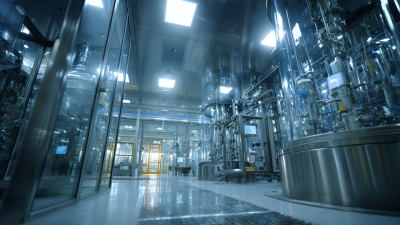
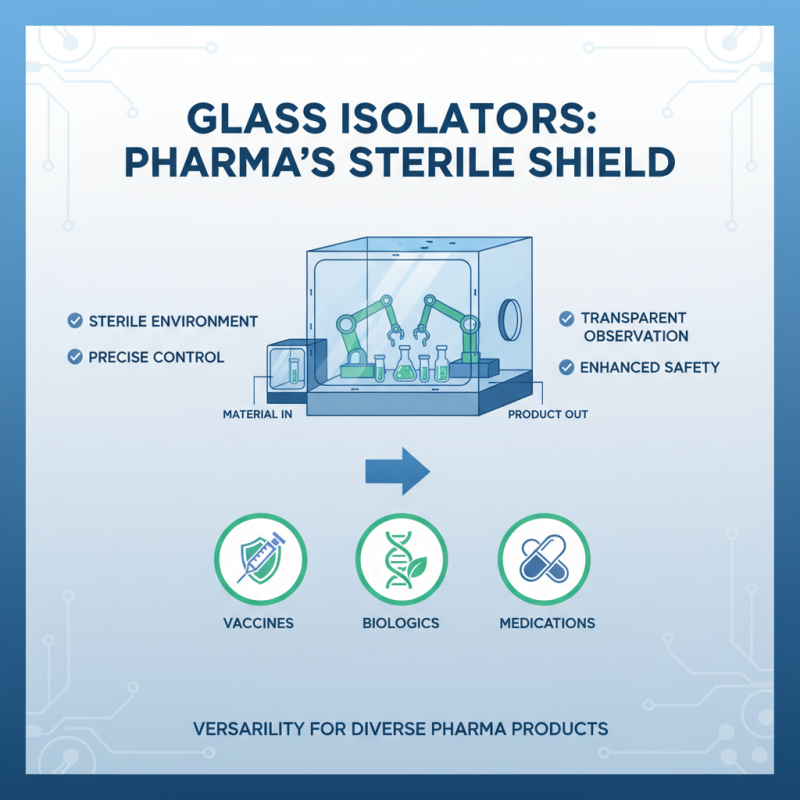
The pharmaceutical world is constantly changing, always aiming for better safety, efficiency, and product quality. One of the coolest tech advances in recent years has to be Glass Isolators. These clever systems are now pretty much a staple in modern pharma facilities. They create a super sterile environment — which is absolutely essential when producing sensitive meds or vaccines. By keeping contaminants out, Glass Isolators not only protect the products but also make life easier in cleanroom setups.
Lately, we’ve seen how implementing Glass Isolators brings quite a few perks — like making things safer for the operators, cutting down on contamination risks, and offering more flexibility in how things are made. As pharma companies face more and more strict regulations, turning to Glass Isolators is a smart move to keep quality high and protect everyone’s health, too. In this article, we’ll dive into the top ten benefits of using Glass Isolators in pharmaceutical manufacturing, showing how they’re really helping to push production forward and keep up those high standards we all expect from cutting-edge drug creation.
Benefits of Glass Isolators in Pharmaceutical Facilities
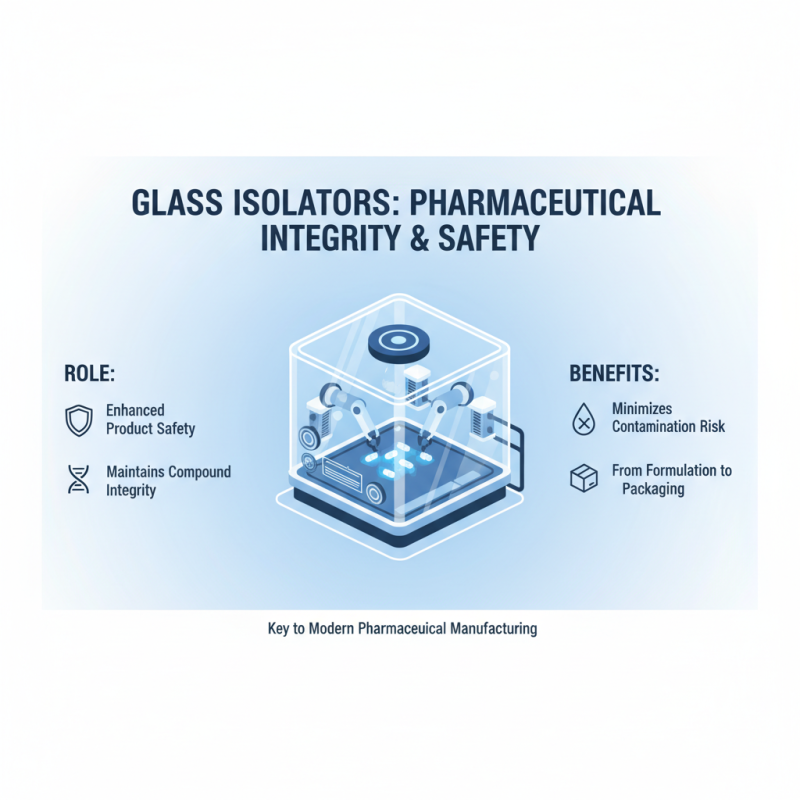
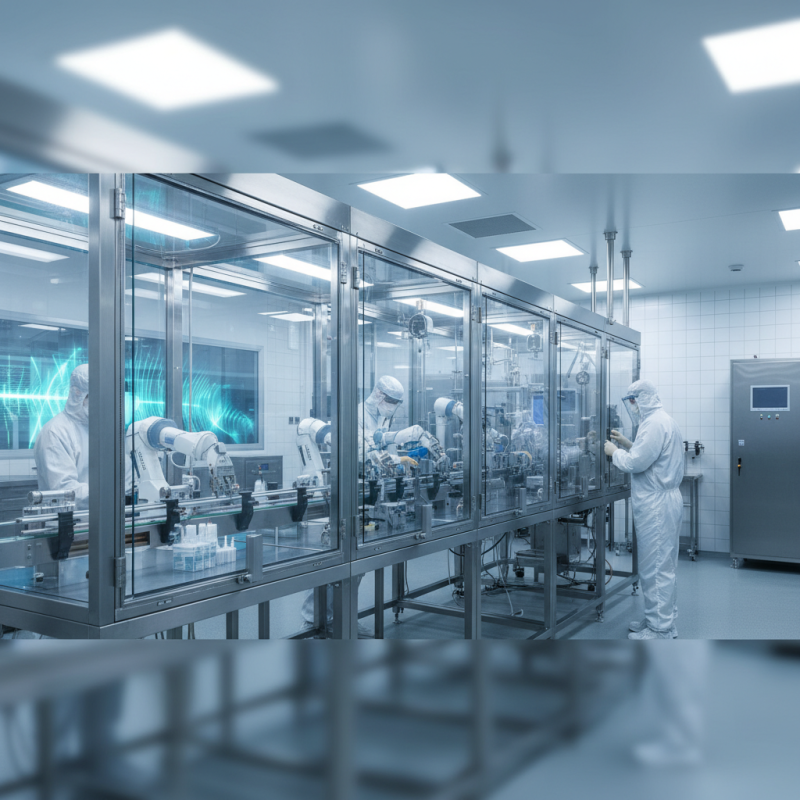
In modern pharmaceutical facilities, glass isolators have emerged as a pivotal solution for ensuring both product integrity and operator safety. These specially designed enclosures provide a sterile environment that is critical for processes involving sensitive compounds. One of the primary benefits of glass isolators is their ability to maintain a controlled atmosphere, free from contaminants. Unlike traditional methods, glass isolators create a barrier that minimizes exposure to harmful particles and microorganisms, thereby reducing the risk of contamination during manufacturing.
Additionally, glass isolators enhance operational efficiency through their ergonomic design and automation capabilities. The visibility provided by the transparent glass allows for real-time monitoring of processes, enabling operators to detect issues without compromising the sterile environment. Furthermore, these isolators typically incorporate advanced technologies, such as integrated sterility testing and automated transfer systems, which streamline workflows and minimize human intervention. This not only boosts productivity but also reinforces compliance with industry regulations, making glass isolators an invaluable asset in today's pharmaceutical production landscape.
Enhanced Contamination Control in Drug Manufacturing Processes
The pharmaceutical industry has seen significant advancements in contamination control, especially with the integration of glass isolators in drug manufacturing processes. These isolators provide a robust barrier against environmental contaminants, thereby reducing the risk of cross-contamination and ensuring the integrity of the products. According to a report by the International Society for Pharmaceutical Engineering (ISPE), implementing isolators can lead to a 40% reduction in contamination risk during production. This enhanced control is crucial as the demand for sterile products continues to rise, driven by the increasing prevalence of chronic diseases and the need for more precise drug formulations.
One of the key benefits of glass isolators is their ability to create a controlled environment tailored to specific drug manufacturing requirements. They allow for the use of advanced filtration systems and maintain critical parameters such as humidity and temperature, which are essential for sensitive biologics. The implementation of such systems not only improves product quality but also streamlines manufacturing processes, ultimately leading to increased efficiency and reduced operational costs, as supported by the latest findings from the National Institute for Pharmaceutical Technology and Education (NIPTE).
Tips: When designing a pharmaceutical facility, prioritize the integration of glass isolators to ensure maximum contamination control. Regularly conduct risk assessments to identify potential contamination sources and implement stringent cleaning protocols. Engaging with experienced professionals in facility design can greatly enhance the configuration of isolators, ensuring compliance with industry regulations while promoting an optimally sterile environment.
Improved Product Integrity and Safety Standards
In the rapidly evolving landscape of pharmaceutical manufacturing, glass isolators are becoming indispensable due to their pivotal role in enhancing product integrity and safety standards. These state-of-the-art enclosures are designed to create a controlled environment that minimizes contamination risks during the production and handling of sensitive compounds. By effectively isolating the work area from external factors, glass isolators ensure that the integrity of the pharmaceuticals is maintained throughout the process, from formulation to final packaging.
Implementing glass isolators also provides significant benefits related to safety. The transparency of glass allows for continuous monitoring of the processes within the isolator, enabling operators to quickly identify any potential issues without compromising the sterile environment. This transparency fosters a culture of accountability and meticulousness among staff, ultimately leading to better safety protocols.
**Tips:** When considering the incorporation of glass isolators, ensure that your team is adequately trained in their operation and maintenance. Regular audits of the isolator's integrity can prevent unexpected downtimes and ensure compliance with stringent safety standards. Additionally, investing in advanced monitoring technology can further enhance the reliability of these isolators, pushing the envelope on both product safety and operational efficiency.
Cost-Efficiency and Operational Effectiveness
The integration of glass isolators in pharmaceutical facilities significantly enhances cost-efficiency and operational effectiveness. Glass isolators offer a controlled environment that minimizes the need for excessive resources often required in traditional cleanroom setups. By utilizing a well-sealed glass environment, facilities can reduce the volume of cleanroom air changes, leading to lower energy costs associated with heating, ventilation, and air conditioning systems. This efficient use of resources not only aids in cost reduction but also improves the sustainability of operations.
Moreover, the operational effectiveness of glass isolators lies in their ability to streamline processes and enhance productivity. The transparent nature of glass allows for real-time monitoring of production without the need to open the isolator, which reduces the risk of contamination. This design advancement enables a faster turnaround time for batch production and minimizes downtimes associated with cleaning and decontamination protocols. Consequently, facilities can achieve higher throughput while ensuring compliance with stringent regulatory standards. By balancing cost savings with operational improvements, glass isolators represent a forward-thinking solution that meets the evolving needs of modern pharmaceutical manufacturing.
Streamlined Maintenance and Cleaning Protocols
In modern pharmaceutical facilities, streamlined maintenance and cleaning protocols are essential for ensuring operational efficiency and compliance with stringent regulatory standards. Glass isolators offer unique advantages in this realm, primarily due to their smooth, non-porous surfaces that significantly reduce contamination risks. The design of these isolators facilitates easy access during cleaning routines, allowing personnel to maintain a sterile environment without extensive breakdowns of equipment. This not only saves time but also minimizes the potential for cross-contamination during maintenance procedures.
Moreover, the visibility provided by glass isolators enhances monitoring capabilities during cleaning processes. Operators can easily observe any residues or contaminants that may need attention, ensuring a thorough and effective cleaning regimen. The transparency of glass materials also aids in training staff, as newcomers can understand the entire cleaning process without obstructed views, further optimizing workflow. As these protocols become increasingly efficient, they contribute to maintaining product integrity and upholding safety standards in pharmaceutical manufacturing.
Compliance with Regulatory Standards and Guidelines
In modern pharmaceutical facilities, compliance with regulatory standards and guidelines is paramount. Glass isolators offer a robust solution for maintaining both product integrity and safety. By providing a controlled environment, these isolators help mitigate contamination risks, ensuring that all processes meet stringent regulatory requirements. This not only contributes to the safety of the products but also reinforces the facility's adherence to Good Manufacturing Practices (GMP).
Tips: When selecting a glass isolator, it’s crucial to consider its design and material, as these factors significantly influence the ability to comply with regulatory standards. Ensure that the isolator allows for easy cleaning and inspection, which are essential for maintaining compliance and reducing the risk of contamination.
Additionally, staff training is vital for maintaining compliance in pharmaceutical environments. Ensure that all personnel are knowledgeable about the operational protocols of glass isolators. Regular training sessions can help familiarize team members with the latest regulatory updates and best practices for using isolators effectively, ultimately enhancing the facility’s compliance posture.
Top 10 Benefits of Glass Isolators in Modern Pharmaceutical Facilities - Compliance with Regulatory Standards and Guidelines
| Benefit | Description | Regulatory Compliance Aspect |
| Enhanced Sterility | Glass isolators create a controlled sterile environment to minimize contamination. | Meets FDA and EMA sterilization requirements. |
| Visibility | Allows personnel to observe processes without compromising the environment. | Facilitates inspection and compliance with GMP guidelines. |
| Durability | Glass is resistant to chemicals and high temperatures. | Supports compliance with material safety regulations. |
| Reduced Contamination Risk | Minimizes human error and contamination during manufacturing. | Aligns with ISO contamination control standards. |
| Ease of Cleaning | Smooth surfaces facilitate effective cleaning and maintenance. | Complies with FDA cleaning protocols. |
| Customization | Can be tailored to specific processes and needs. | Ensures compliance with specific operational requirements. |
| Improved Product Stability | Maintains conditions that enhance the shelf-life of products. | Supports adherence to stability testing guidelines. |
| Enhanced Safety | Protects operators from exposure to hazardous substances. | Meets OSHA safety standards. |
| Audit Readiness | Facilitates easy access to processes during audits. | Helps maintain preparedness for inspections. |
| Increased Efficiency | Streamlines operations and reduces process time. | Enhances compliance with efficiency benchmarks. |
Versatility in Handling Various Pharmaceutical Products
Glass isolators have emerged as a vital component in modern pharmaceutical facilities due to their inherent versatility in handling a wide range of pharmaceutical products. These isolators provide a sterile environment that is essential for the production of various medications, from vaccines to delicate biologics. Their transparent structure not only allows for thorough observation during processes but also ensures that operators can maintain precise control over sterile conditions without compromising safety.
In addition to their functional benefits, glass isolators can be adapted to accommodate different types of processes, including aseptic filling and manipulations of sensitive materials. The design flexibility enables pharmaceutical manufacturers to customize isolators to meet specific operational needs, enhancing productivity while maintaining compliance with stringent industry regulations. This adaptability makes glass isolators an attractive choice for facilities aiming to diversify their product lines and respond to evolving market demands without the need for extensive overhauls in their production environments.
Market Analysis and Trends of High Voltage Disc Suspension Toughened Glass Insulators: Insights from Recent Industry Reports
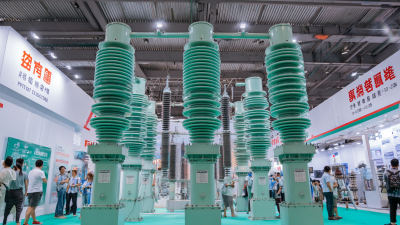
The market for high voltage disc suspension toughened Glass Insulators has been witnessing significant trends, driven by an increased demand for reliable and efficient transmission line solutions. Recent industry reports highlight a shift towards materials that not only meet stringent IEC standards but also enhance the performance longevity of insulators in various environmental conditions. Toughened glass insulators, known for their superior mechanical strength and electrical insulation properties, play a critical role in ensuring stable transmission of electricity over long distances.
Manufacturers are focusing on developing glass disc insulators that are not only compliant with international standards but also tailored for specific applications. In regions like Pingxiang City, China, production capabilities are advancing rapidly, leveraging local expertise and innovative techniques. The use of high-quality glass ensures that these insulators can withstand harsh weather conditions while maintaining optimal performance levels. With advancements in technology and growing investments in infrastructure, the future of high voltage disc suspension insulators appears promising, paving the way for enhanced reliability in global power transmission networks.
FAQS
: Glass isolators are advanced enclosures designed to create a controlled environment that minimizes contamination risks during the production and handling of sensitive pharmaceutical compounds. Their importance lies in enhancing product integrity and safety standards throughout the manufacturing process.
The transparency of glass isolators allows for continuous monitoring of processes, enabling operators to quickly identify potential issues while maintaining a sterile environment. This transparency promotes accountability among staff and leads to improved safety protocols.
It's important to ensure that the team is adequately trained in the operation and maintenance of glass isolators. Regular audits of the isolator's integrity should be conducted to prevent downtimes and ensure compliance with safety standards.
Yes, glass isolators are versatile and can accommodate a wide range of pharmaceutical products, including vaccines and delicate biologics. They provide a sterile environment crucial for various medications.
Glass isolators can be adapted to meet specific operational needs, allowing for functionalities like aseptic filling and manipulation of sensitive materials. This design flexibility enhances productivity while complying with industry regulations.
The adaptability of glass isolators allows facilities to respond to evolving market demands without extensive production environment overhauls, making them an excellent choice for manufacturers aiming to expand their product offerings.
Conclusion
Glass isolators have become an essential component in modern pharmaceutical facilities, offering numerous benefits that enhance drug manufacturing processes. Primarily, these isolators provide enhanced contamination control, significantly reducing the risk of microbial and particulate contamination. This leads to improved product integrity and robust safety standards, ensuring that medications meet the highest quality benchmarks.
Additionally, glass isolators are cost-effective and operationally efficient, allowing for streamlined maintenance and cleaning protocols that minimize downtime. Their design ensures compliance with regulatory standards, making them a versatile solution for handling various pharmaceutical products. Overall, the implementation of glass isolators not only optimizes production environments but also reinforces the commitment to safety and quality in pharmaceutical manufacturing.