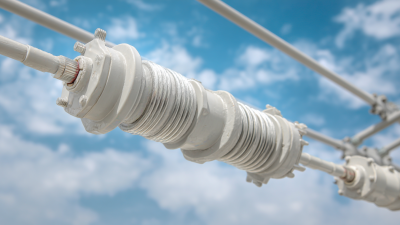
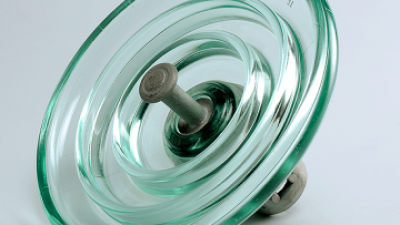
Back in 2026, when we’re talking about global grid projects, it’s not enough to just look at a high catalog rating. Take a 40kn Glass Isolator, for example. It needs to do much more than just handle mechanical tension; it has to survive pollution, moisture, temperature swings, and rough handling during transport. And let’s not forget—buyers really want consistent quality from batch to batch. Because honestly, a tiny crack in the glass disc might start small, but the trouble often only shows up after installation—way too late.
Dr. Ravi S. Gorur, a well-known expert in power insulation, once said, “The insulation you pick should match the environment it’s going into, not just the rated voltage or force.” That’s a key point, especially when you’re comparing brands like Nanjing Rainbow Electric, Victor Insulators, and MacLean Power Systems. They might all advertise a 40kN rating, but their testing procedures, glass formulations, fittings, and inspection records can be totally different. So, don’t just look at the disc—check out the entire assembly.
A good 40kn Glass Isolator should come with traceable material data, test results you can trust, and clear records of their dimensional control and mechanical performance. It’s worth asking if the manufacturer conducts thermal shock tests or confirms that the zinc sleeve is properly attached. Also, pay attention to packaging—things like wooden crates, separators, and moisture protection can make a huge difference during long shipments at sea. Still, don’t forget—nothing beats field experience, because lab tests can’t catch all the installation mishaps. And, honestly, I always check how quickly the supplier responds after a sample fails—sometimes overlooked but really important. Just because a product matches the specs perfectly doesn’t mean it will arrive perfect. So, buyers need to look at actual evidence, not just confident promises.
And keep in mind, the best choice might vary depending on where you’re installing—coastal lines, dusty industrial zones, or high-altitude locations all have their quirks. That’s why a careful review is absolutely essential. It’s not just about specs; it’s about making sure it all works in the real world.”
What Is a 40kN Glass Isolator and Where Is It Used?
A 40 kN glass isolator is a suspension insulator designed to withstand a rated mechanical load of 40 kilonewtons. Its toughened glass body separates energized conductors from steel towers and crossarms. Metal fittings and cemented connections transfer the conductor’s weight safely. The 40 kN rating describes mechanical strength, not voltage capacity. Voltage selection still depends on insulation length, system design, and environmental conditions.
These isolators are widely used on overhead transmission lines, substations, and railway electrification systems. Engineers may specify them where heavy conductors, long spans, or strong wind create higher mechanical stress. Transparent glass makes visible damage easier to identify during inspections. A shattered disc usually provides a clear warning. Coastal air, industrial dust, ice, and frequent rain require careful pollution-performance assessment. Field teams should check cracks, corrosion, loose fittings, and contamination after severe weather.
A 40kn Polymer Isolator can be considered where low weight, vandal resistance, or compact installation is important. However, glass and polymer designs behave differently under aging, cleaning, and mechanical impact. Buyers should request routine test evidence, dimensional drawings, material details, and compliance with applicable international standards. I have found that catalog ratings alone can mislead purchasing decisions. Installation torque, hardware compatibility, and storage damage also matter. One overlooked washer can affect the assembly. Site conditions should guide the final specification, even when the 40 kN rating appears sufficient.
Key Technical Specifications of 40kN Glass Isolators
For global buyers, a 40kn Composite Isolatorshould be assessed by verified performance, not its catalogue load alone. A 40kN rating normally indicates the specified mechanical failing load, while the permitted service load must remain lower. IEC 61109 requires mechanical, electrical, and environmental verification for composite Suspension Insulators. For glass units, IEC 60305 remains the relevant reference.
Key technical specifications include rated tensile load, creepage distance, dry arcing distance, and lightning impulse withstand voltage. The required creepage distance depends on pollution severity, site altitude, and local utility practice. IEC 60815 provides guidance for selecting this distance. CIGRE Technical Brochure 440 also highlights ageing, hydrophobicity transfer, sealing, and interface control as critical field factors. Small sealing defects can become serious after years of rain and ultraviolet exposure.
Check routine test records, dimensional tolerances, galvanizing thickness, and end-fitting alignment. A practical inspection should include visual checks, mechanical proof testing, and sample-based electrical testing. IEC 61109 uses defined test sequences, but laboratory success cannot replace site evaluation. That is often overlooked. Buyers should request complete test reports, batch traceability, and installation torque data. The 40kn Composite Isolator may perform well, yet poor storage or incorrect hardware can still reduce reliability.
How to Compare 40kN Glass Isolator Materials and Designs
Choosing a 40kN glass isolator requires more than checking one mechanical rating. Buyers should compare glass composition, cap design, cement quality, and manufacturing control. Toughened glass usually offers clear fracture visibility after failure. This helps maintenance teams identify damaged units from the ground. Useful evidence.
Check the glass body for consistent thickness and clean edges. Small surface flaws can become serious under repeated rain, wind, and temperature changes. Compare the cement interface carefully. Poor bonding may create stress around the metal fittings. The isolator should also withstand routine mechanical loads above its stated 40kN rating. A safety margin matters. However, laboratory strength does not perfectly represent field conditions.
Design affects electrical performance as much as material choice. Compare creepage distance, shed spacing, and the shape of the rain-shed profile. Wider sheds can perform better in polluted or coastal areas, but they may collect more dust. Review voltage, altitude, humidity, and contamination data before selecting a design. Galvanized or corrosion-resistant hardware supports longer service life. Ask for routine test records, type-test reports, dimensional drawings, and traceable batch information. Some suppliers present impressive numbers but provide limited production evidence. That should invite questions. A practical review should include sample inspection, visual checks, and independent verification when the project is critical.
Performance Standards for Global 40kN Glass Isolator Buyers
For global buyers, a 40 kN glass isolator must meet more than a catalogue rating. The 40 kN value usually indicates specified mechanical load, not unlimited field capacity. IEC 60383-1:2023 separates type, sample, and routine tests. This distinction matters during supplier audits. Ask for verified tensile records, glass batch traceability, and metal fitting inspection data. A certificate alone is not enough.
Field selection should match climate and line design. CIGRE technical guidance repeatedly highlights pollution, altitude, wetting, and mechanical vibration as major service variables. Measure salt deposition, not just average rainfall. Check creepage distance against the site’s pollution class. Thermal cycling can expose hidden defects. I have seen drawings look perfect, yet drainage details remained weak. That deserves a second review.
A 40kn Polymer Disc Isolator requires a different evidence package from toughened glass. IEC 62217:2012 uses a 5,000-hour multi-stress test framework for polymeric insulation, while glass units require suitable mechanical, electrical, and visual verification under IEC 60383-1. Buyers should request destructive-test results, zinc sleeve dimensions, and batch-level failure statistics. Keep the acceptance sample independent. If the supplier cannot explain breakage patterns, pause procurement. Small deviations in pin alignment may become serious under wind, ice, or repeated switching loads. The strongest option is the one supported by traceable data, realistic site testing, and openly documented limitations.
How to Evaluate Manufacturers, Quality, and Certification
For global buyers, a 40kN glass insulator must be judged beyond its catalog rating. The 40kN value usually means specified mechanical failing load, not continuous working load. Ask for the exact design definition, safety factor, creepage distance, and tested voltage. IEC 60305 and IEC 60383-1 provide useful benchmarks for glass and ceramic overhead-line insulators.
Market pressure is rising. The IEA Electricity 2024 report projects global electricity demand growth of 3.3% in 2025 and 3.7% in 2026. That growth increases demand for reliable transmission hardware. A credible manufacturer should provide type-test reports, routine-test records, material traceability, and production dates. Check whether testing follows current IEC requirements. Independent laboratories should hold ISO/IEC 17025 accreditation. Factory certification alone proves little.
During evaluation, inspect the glass surface under angled light. Look for chips, bubbles, uneven cement joints, and coating defects. Review thermal shock, puncture, mechanical, and aging results. Request random batch samples, not only polished showroom units. I would also compare five-year failure data, although many suppliers cannot provide it cleanly. That gap deserves attention. A factory audit should include furnace temperature records, mold controls, rejected-part handling, and calibration logs. Certification documents need matching model numbers, test loads, and issuing laboratory details. One overlooked mismatch can weaken an otherwise convincing 40kN claim.
Installation, Inspection, and Maintenance Requirements
A 40kN glass isolator demands disciplined installation, not only a high mechanical rating. IEC 60383-1 requires mechanical, electrical, and visual performance checks for line insulators. The 40kN value is a rated strength, not a permission to ignore design safety factors. Confirm the conductor load, wind pressure, span length, and fitting alignment before lifting. A tilted socket can create stress at one small contact area. That damage may remain invisible.
Inspection should begin before installation. Check for chips, hairline cracks, cement separation, and damaged metal hardware. Use clean lighting and record each unit’s identification number. IEC 60815-1 supports site-specific insulation selection, especially where salt, dust, or industrial pollution is present. The IEA’s Electricity Grids and Secure Energy Transitions report estimates that global grid investment must rise sharply this decade. More construction means more rushed inspections. That is a practical risk, not just a statistic. A torque wrench and calibrated test equipment should support field decisions. Visual checks alone are imperfect.
Tips: Keep glass surfaces dry during inspection. Reject doubtful units. Do not mix hardware without approval. After energization, inspect for abnormal noise, flash marks, corrosion, or unusual temperature. Schedule follow-up checks after severe storms and pollution events. CIGRE guidance emphasizes condition-based maintenance, yet crews sometimes overtrust clean-looking surfaces. I have seen that assumption fail. Records should include weather, torque readings, defects, photographs, and corrective action.
How to Select the Best 40kN Glass Isolator in 2026
Selecting the best 40kN glass isolator in 2026 requires more than comparing price and catalog photos. Start with the network’s voltage, mechanical loading, pollution level, and installation environment. A 40kn Anti-Pollution Type Porcelain Isolator may suit coastal or industrial areas, but its creepage distance must match local contamination conditions. Salt mist, cement dust, and chemical residue can change surface performance quickly.
Check the technical drawing carefully. Confirm the rated mechanical load, glass or porcelain material, fitting dimensions, and connection hardware. The isolator should also have verified electrical and mechanical test records from a competent laboratory. Look for routine test evidence, not only a general certificate. Small details matter. A few millimeters in the interface can delay installation.
Outdoor exposure deserves practical attention. Inspect the housing shape, sealing areas, drainage paths, and surface finish. Ask how the product performs after repeated rain, freezing, heat, and ultraviolet exposure. Packaging also matters; cracked skirts or loose metal fittings may appear after long transport. Do not assume a higher rating solves every problem. A common review mistake is focusing on 40kN strength while ignoring creepage, dimensions, or maintenance access. I would also request samples, drawings, and inspection photos before approving a large order. My judgment may change after seeing actual test data. That is sensible.
High Voltage Disc Suspension Toughened Glass Insulator: Design, Benefits, and Applications
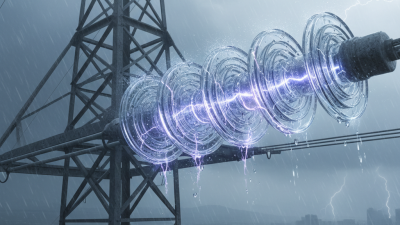
High-voltage disc suspension toughened glass insulators are essential components in modern transmission-line systems, combining mechanical strength, electrical reliability, and long service life. Manufactured to IEC standards, these glass disc insulators are designed to support conductors while resisting electrical stress, wind, rain, pollution, and temperature changes. Toughened glass provides high dielectric performance and visible damage identification: when a unit fails, the glass body typically shatters, making inspection more efficient than with less transparent materials. Produced in Pingxiang City, China, this type of insulator is suitable for overhead transmission infrastructure and demanding grid environments.
Industry investment is increasing as power networks expand to accommodate renewable generation and rising electricity consumption. The International Energy Agency’s *Electricity Grids and Secure Energy Transitions* report indicates that more than 80 million kilometres of grids must be added or refurbished globally by 2040, with annual grid investment needing to more than double from current levels. In this context, dependable insulation systems help reduce outage risks and support stable long-distance power delivery.
Glass disc suspension insulators are commonly assembled into strings according to voltage class, tower configuration, and environmental conditions. Their smooth surface limits contamination adhesion, while standardized dimensions simplify replacement and maintenance. For transmission-line projects, IEC-compliant toughened glass units offer a practical combination of electrical insulation, mechanical load capacity, visual fault detection, and long-term operational durability.
FAQS
: No. A 40kN rating shows mechanical capacity, not complete field suitability. Check safety margins, conductor loads, wind pressure, span length, and fitting alignment. Laboratory strength cannot perfectly represent outdoor conditions.
Look for consistent thickness, clean edges, and clear fracture visibility. Toughened glass can reveal damage from the ground after failure. Reject units with chips or hairline cracks. Small flaws may worsen.
Poor cement bonding can concentrate stress around metal fittings. Inspect for separation, uneven gaps, and loose connections. A tilted socket is risky. Small contact areas may hide serious damage.
Compare creepage distance, shed spacing, and rain-shed shape. Wider sheds may perform better near salt, dust, or industrial pollution. However, they can collect more dust. Site conditions should guide the choice.
Review voltage, altitude, humidity, salt exposure, dust, and chemical residue. Rain, freezing temperatures, heat, and ultraviolet exposure can change performance. A higher mechanical rating does not solve contamination problems.
Request technical drawings, routine test records, type-test reports, and batch traceability. Confirm dimensions and hardware details before approving an order. General certificates are not enough. Actual evidence matters more than impressive numbers.
Inspect glass, cement, fittings, and identification numbers before installation. Confirm conductor loads, wind pressure, span length, and alignment. Use a torque wrench and calibrated test equipment. Visual checks alone are imperfect.
Record torque readings, weather conditions, photographs, defects, and corrective actions. Inspect after severe storms or heavy pollution events. Look for flash marks, corrosion, abnormal noise, and unusual temperatures. Clean-looking surfaces can still mislead maintenance crews.
Conclusion
A 40kn Glass Isolator is a high-strength electrical insulation component designed to support and isolate conductors in overhead power transmission and distribution systems. Its selection depends on rated mechanical load, electrical performance, creepage distance, puncture resistance, dimensions, and compatibility with local environmental conditions such as pollution, humidity, temperature changes, and coastal exposure. Buyers should compare glass composition, manufacturing design, surface quality, hardware configuration, and expected service life before making a decision.
For global procurement, the best 40kn Glass Isolator should comply with applicable international or regional performance standards and be supported by reliable inspection records, traceability, and product certification. Evaluating a manufacturer should include raw-material control, production consistency, testing capability, packaging, delivery performance, and technical support. Correct installation, routine visual inspection, cleaning where necessary, and timely replacement of damaged units are essential for safe operation. In 2026, buyers should select a product based on verified performance, total lifecycle value, environmental suitability, and dependable quality assurance rather than price alone.