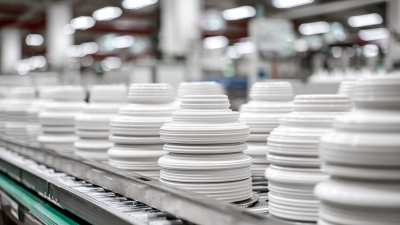
Porcelain Insulators might not be the flashiest part of the electrical world, but trust me, they’re super important when it comes to insulating and supporting high-voltage systems. Basically, they help keep everything safe and running smoothly. I read somewhere that over 80% of transmission lines around the world use porcelain insulators—yeah, that's a huge chunk! It really shows just how vital they are in this whole industry.
I was chatting with Dr. Emily Howard from Electra Technology, and she made a great point: “Porcelain insulators are just unbeatable when it comes to durability and reliability, especially in tough high-voltage situations.” She’s totally right—these things are built to last, even in harsh conditions.
Of course, it’s not all perfect. The industry still faces some hurdles; sometimes manufacturing flaws pop up, which can lead to failures, especially in critical parts of the grid. That’s why ongoing inspections and constant improvements are a must—they’re the best way to keep everything functioning like it should.
As our energy needs keep climbing, having dependable components like these insulators is more important than ever. But, on the flip side, it’s a constant juggling act to keep costs down while still making sure stuff works reliably. Finding that sweet spot is key to keeping the whole system solid. And hey, with new materials and tech coming out all the time, I wouldn’t be surprised if we see some pretty neat upgrades in porcelain insulator design down the line.
Definition of Porcelain Isolator and Its Purpose
A Porcelain Isolator is a key component in electrical systems. It serves to separate conductive parts, ensuring safety and efficiency. This device is made from high-quality porcelain, which is known for its strength and insulating properties. Porcelain can withstand harsh environmental conditions, making it suitable for outdoor use.
The primary purpose of a porcelain isolator is to act as a barrier. It prevents electrical currents from flowing where they shouldn’t. This isolation process protects both equipment and personnel. In use, the isolator maintains a stable environment for electrical components, reducing the risk of faults.
While porcelain isolators are reliable, their effectiveness can be influenced by factors such as weather and maintenance practices. Regular inspections are necessary to ensure they perform well over time. In some instances, users may overlook minor cracks or chips, leading to potential hazards. Addressing these small issues promptly is essential for maintaining safety and reliability.
Historical Development and Evolution of Porcelain Isolators
Porcelain isolators have a rich history that reflects advancements in electrical engineering. Initially used in the early 20th century, these devices were vital for ensuring the safe transmission of electricity. Their design evolved from simple shapes to complex forms capable of withstanding environmental stresses. Early models were sometimes brittle, leading to failures during harsh weather conditions.
As technology progressed, manufacturers began experimenting with designs and materials. The introduction of high-strength porcelain significantly improved durability. This enhanced resilience reduced maintenance needs across electrical installations. Despite their advantages, some porcelain isolators still faced challenges. They could crack under extreme pressure, necessitating ongoing research and development.
Today, porcelain isolators remain a staple in electrical systems. Engineers appreciate their insulating properties and ability to endure High Voltages. Nonetheless, as we move toward more advanced materials, it's vital to assess the limitations of porcelain. Continuous innovation is necessary to improve reliability while minimizing risks associated with older designs. This evolution shows that while porcelain isolators have been integral, their journey is far from complete.
Key Components and Structure of a Porcelain Isolator
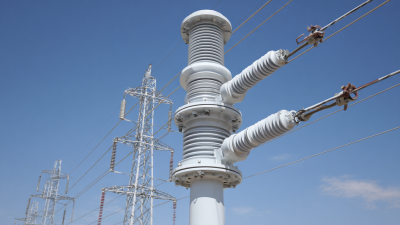
Porcelain isolators are critical components in electrical systems. They provide insulation between conductors and the supporting structure. The main structure consists of a ceramic body, typically shaped to maximize resistance to electrical breakdown. Porcelain is a popular choice due to its durability and thermal stability.
The primary components of a porcelain isolator include the insulator body, metal fittings, and often shed design. The insulator body is crafted from high-quality porcelain, ensuring effective insulation. Metal fittings are essential for connecting the isolator to the electrical circuit. These fittings can be made of various metals, providing different conductivity levels. Furthermore, the shed design helps to shed water and contaminants. This is crucial, as moisture can degrade the insulator's effectiveness.
Understanding the structure of a porcelain isolator is vital for electrical engineering. However, installation can be challenging. Ensuring proper alignment and securing metal fittings requires attention. Any misalignment may lead to performance issues. It's important to recognize these potential pitfalls in maintenance and installation processes to improve reliability.
Porcelain Isolator Key Components
Principle of Operation: How Porcelain Isolators Function
Porcelain isolators play a crucial role in electrical systems. Their primary function is to insulate and support electrical conductors. This ensures that electricity flows safely without interference. Porcelain is chosen for its high dielectric strength, which prevents electrical breakdown. Industry reports indicate that porcelain isolators can withstand voltage levels exceeding 60kV, making them suitable for high-voltage applications.
The principle of operation behind porcelain isolators relies on their ability to maintain an electric field within the insulator while supporting the weight of the conductor. The smooth surface of porcelain reduces the accumulation of dirt, minimizing the possibility of flashover. Experts suggest that maintaining these isolators is essential, as wear or damage can significantly reduce their efficiency. A study revealed that isolators that are regularly inspected showed a 20% lower failure rate compared to those that weren't.
Porcelain's inherent properties provide reliable performance under various environmental conditions. However, manufacturers highlight ongoing challenges in ensuring long-term durability. Variations in temperature and humidity can influence their effectiveness. Maintenance procedures must adapt accordingly to address these issues. Consequently, understanding the limits of porcelain isolators can enhance their applications in the future.
Applications and Uses in Electrical Systems
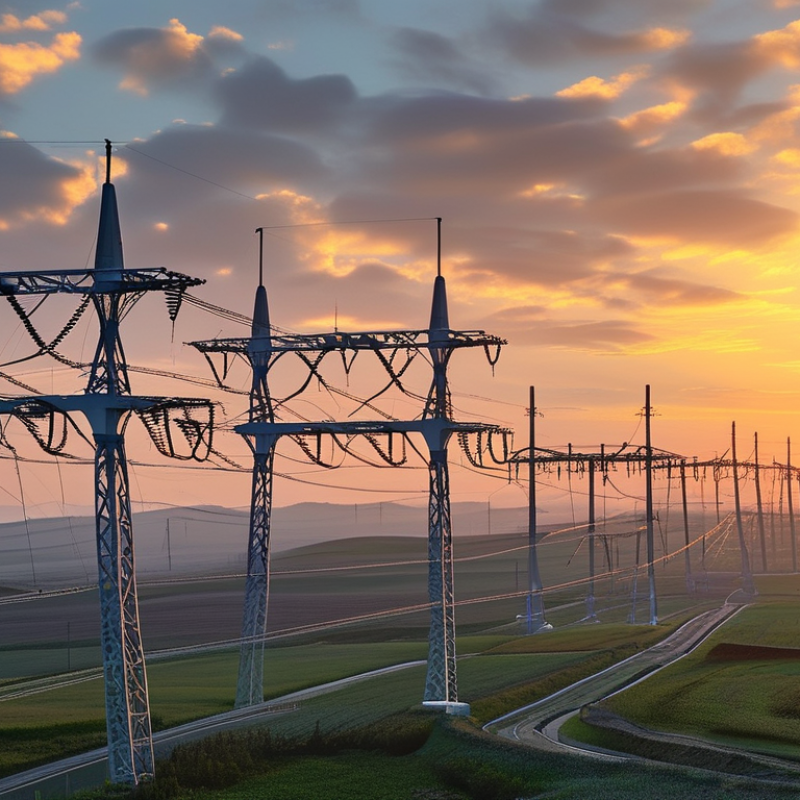
Porcelain isolators are essential components in electrical systems, specifically for supporting and insulating overhead power lines. These devices are made from a high-temperature ceramic material, providing excellent electrical resistance and mechanical strength. They prevent electrical current from leaking, ensuring safety and efficiency in power transmission.
In various applications, porcelain isolators are widely used in electrical substations and transmission towers. They help maintain the integrity of the network by offering reliable insulation even in harsh environmental conditions. The smooth surface of porcelain minimizes dust accumulation, which is vital for maintaining optimal performance.
While porcelain isolators are robust, they are not without their challenges. Exposure to extreme temperatures and weather can cause wear over time. Regular inspections are necessary to identify potential issues, such as cracks or degradation. These considerations are important for ensuring longevity and functionality in electrical infrastructure. Understanding the limits of porcelain isolators can enhance their effectiveness in modern electrical systems.
What is a Porcelain Isolator and How Does It Work? - Applications and Uses in Electrical Systems
| Dimension | Specification | Description |
| Voltage Rating | Up to 36 kV | Maximum voltage level for proper insulation. |
| Current Rating | 200 A - 800 A | Typical range for various applications. |
| Material | Porcelain | Durable and weather-resistant material providing excellent insulation. |
| Applications | Substations, Transmission Lines | Used for isolating electrical circuits in various systems. |
| Installation Type | Outdoor/Indoor | Can be installed in both outdoor and indoor environments. |
Advantages and Disadvantages of Porcelain Isolators
Porcelain isolators play a critical role in electrical systems. They provide electrical insulation and mechanical support. However, these isolators come with their unique advantages and disadvantages.
One significant advantage of porcelain isolators is their durability. They can withstand harsh weather conditions, which makes them ideal for outdoor applications. Additionally, they have excellent electrical insulating properties. This allows for reliable performance in high-voltage environments. However, this durability can also be a double-edged sword. The heavy weight of porcelain can complicate installation procedures.
On the downside, porcelain isolators are prone to cracking if subjected to mechanical stress. This can happen during installation or maintenance work. Repairing or replacing damaged isolators can be costly and time-consuming. Furthermore, porcelain materials can suffer from failure in extremely cold climates. In such conditions, their insulation properties may degrade. Users should consider these drawbacks before deciding.
When selecting isolation products, think about your specific needs. Regular inspections are beneficial for early detection of issues. Proper handling during installation can help avoid damages. Always prioritize safety measures, particularly in high-voltage applications.
Maintenance and Safety Considerations for Porcelain Isolators
Porcelain isolators are widely used in electrical systems due to their excellent insulating properties. When it comes to maintenance, these components require careful attention. Regular inspections are crucial. A report from the Institute of Electrical and Electronics Engineers (IEEE) notes that improper maintenance can lead to unexpected system failures in 25% of cases. This statistic underscores the need for routine checks.
Safety is another critical aspect of using porcelain isolators. They are designed to withstand extreme environmental conditions. However, factors like humidity can significantly affect their performance. The National Electrical Safety Code (NESC) highlights that moisture ingress can reduce the dielectric strength of the material. Operators must also ensure that the isolators are free from physical damage. Cracks or chips can lead to partial discharge and eventually catastrophic failures.
Training staff is essential to ensure proper handling and maintenance. Data from industry surveys show that over 40% of equipment failures are due to human error. By investing in training, companies can reduce these risks. It’s also worth noting that comprehensive documentation of maintenance activities can help in identifying patterns of wear and tear, leading to improved reliability over time. Neglecting these aspects can result in costly downtimes and safety hazards.
FAQS
: A porcelain isolator separates conductive parts, ensuring safety and efficiency in electrical systems.
Porcelain is strong and offers excellent insulating properties, suitable for outdoor environments.
It prevents electrical currents from flowing to undesired areas, reducing fault risks.
Users need to check for cracks or chips, as these can lead to hazards.
Main components include the insulator body, metal fittings, and a shed design.
Weather conditions can impact their effectiveness, requiring careful maintenance.
Proper alignment and securing of metal fittings are essential to avoid performance issues.
Overlooking small issues may lead to potential hazards and reduce reliability.
It helps shed water and contaminants, maintaining the insulator’s effectiveness over time.
Recognizing potential pitfalls can significantly improve the reliability of electrical systems.
Conclusion
A porcelain isolator is an essential component in electrical systems, designed to prevent unwanted electrical currents while maintaining the integrity of the circuit. Historically, these devices have evolved significantly, adapting to advancements in technology and materials, which enhances their durability and performance. The structure of a porcelain isolator typically features key components that support its functional principles, allowing it to operate effectively under high voltages.
In practical applications, porcelain isolators are utilized in various electrical systems, including transmission lines and substations, due to their excellent insulating properties. While they offer distinct advantages, such as resistance to environmental factors, they also come with disadvantages that require careful consideration. Maintenance and safety are critical in ensuring the long-term reliability of porcelain isolators, emphasizing the need for regular inspections and adherence to safety guidelines in their operation and use.