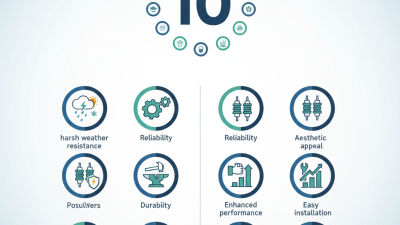
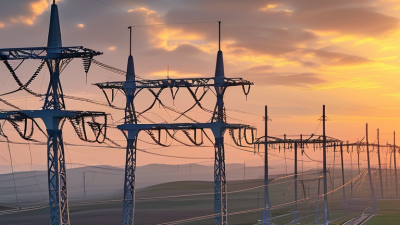
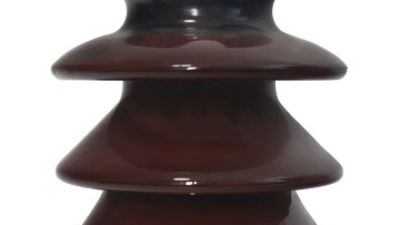
Porcelain Insulators are still a vital part of everything from substations and overhead power lines to railway electrification. Their glazed surface does a pretty good job at resisting moisture, UV rays, and surface dirt, while their sturdy ceramic body can handle some serious mechanical loads. But, honestly, how well they perform isn't just about their voltage rating — there's more to it than that.
If you look at what the International Energy Agency says, global investments in power grids need to double — jumping from around $300 billion a year to over $600 billion by 2030. That kind of growth naturally boosts demand for dependable insulation parts. Meanwhile, MarketsandMarkets points out that ceramic products, including porcelain insulators, are a well-established segment in this market. That said, beware — many reports lump porcelain, glass, and Composite Insulators together. So, it's really important to dig into how they arrive at their conclusions.
And honestly, nothing beats real-world experience. Professor A. Haddad, a well-respected expert in high-voltage engineering, emphasizes that insulation should be designed with the actual environment in mind — not just the rated voltage. Things like salt pollution, high altitudes, rain, and thermal cycling all matter just as much as the electrical specs. A catalog picture can’t show you all those risks, so take that into account.
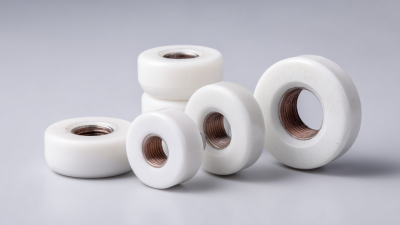
This guide will walk you through the top 10 porcelain insulator manufacturers for global buyers. We look at how experienced they are, their testing capabilities, adherence to standards, consistency in delivery, and how they add value over the lifecycle of the product. We also highlight practical details, like the S-80 Spool model. It’s compact, making it perfect for secondary distribution and service connections where space and clearance is tight.
Of course, no list is perfect. Be cautious — always verify supplier claims through drawings, test certificates, factory visits, and references. Make sure everything lines up with IEC or IEEE requirements before you commit. Don’t just go for the lowest price — that might mean hidden costs for inspection, replacement, or installation down the line. The key to reliable choosing? Evidence and real-world proof, not just flashy specs.
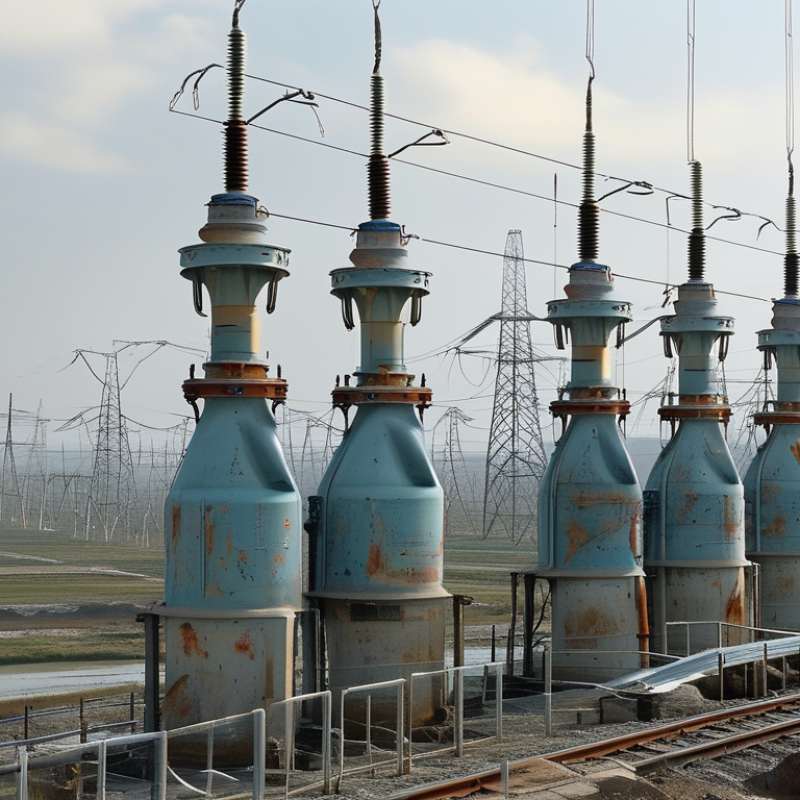
Porcelain Isolator products support overhead lines, substations, railway systems, and industrial switchgear. Their main job is simple: separate energized conductors from grounded structures. They also carry mechanical loads, resist heat, and endure rain, dust, and ultraviolet exposure. Common types include pin, suspension, post, shackle, and hollow-core designs. Each type suits a different voltage level and installation condition.
The IEA Electricity 2024 report forecasts global electricity demand to grow by about 3.5% annually through 2026. This growth increases pressure on aging grids and new transmission projects. Porcelain remains useful where long service life, stable insulation, and strong mechanical performance matter. IEC 60168 defines key testing methods for indoor and outdoor Post Insulators. IEC 60383 covers suspension and string insulators for overhead lines. These standards help buyers compare electrical strength, thermal behavior, and mechanical reliability across suppliers.
Tips: Check creepage distance, pollution level, altitude, and breaking load before ordering. A coastal substation may need a longer creepage path than a dry inland site. Inspect glaze quality, cement joints, and dimensional tolerances. Small surface defects can become serious under repeated wetting and electrical stress. Ceramic strength is valuable, but it is not unlimited. Some projects may need composite alternatives for weight or seismic reasons. This is where a buyer’s first specification can be wrong. Field conditions deserve more attention than a catalogue photograph.
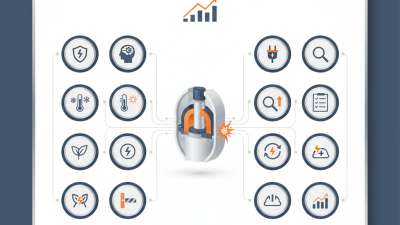
The chart shows representative nominal voltage bands in which porcelain insulators are commonly used across major power and railway applications. Actual voltage levels vary by country, network design, and applicable standards. Porcelain designs include pin, post, suspension, strain, and bushing insulators.
When evaluating porcelain isolator manufacturers, look beyond catalog photographs. A credible supplier should provide clear drawings, material specifications, and recent test records. Ask which standards guide electrical, mechanical, and thermal testing. Reports should identify the laboratory, test date, sample number, and measured results. Vague certificates create avoidable risk.
Factory experience matters during inspection. Check clay preparation, pressing, firing temperature, glazing, and final dimensional checks. A Low Voltage Porcelain Isolator should have a smooth glaze, clean edges, and stable mounting dimensions. Small surface cracks can expand after repeated heating and cooling.
Request sample units before placing a large order. Compare their weight, finish, hole position, and packaging strength.
I have found traceability especially useful when reviewing suppliers. Each batch should connect to production records, inspection results, and shipment details. Ask how rejected pieces are isolated. Good manufacturers explain this without hesitation.
Delivery history, replacement procedures, and technical communication also reveal reliability. However, no factory is flawless. One supplier may offer excellent testing but weak packaging, while another may respond quickly but lack consistent dimensions. That trade-off deserves careful review, not optimistic assumptions. Keep written evidence for every important claim.
For international buyers, the Top Ten Porcelain Isolator Manufacturers should be assessed beyond catalogue price. Factory experience matters in high-voltage casting, glazing, firing, and routine testing. Look for documented production capacity, batch traceability, and export records across different climates. A reliable supplier can show test reports, dimensional drawings, and installation guidance before receiving a purchase order.
Market evidence supports careful sourcing. MarketsandMarkets estimates the global electrical insulation market will grow from about USD 13.5 billion in 2024 to over USD 17 billion by 2029. However, these figures combine porcelain, polymer, and glass products. They offer direction, not a perfect porcelain forecast. IEC 60383-1 remains a practical reference for testing overhead-line insulators. Buyers should verify mechanical failing load, power-frequency withstand, and impulse performance against project requirements.
Field details reveal weak suppliers quickly. Inspect glaze continuity around the pin area. Check crate bracing, moisture protection, and packing photographs before shipment. For a High Tension Porcelain Isolator, salt-fog exposure and coastal contamination deserve special attention. Ask whether the manufacturer has supplied matching hardware and replacement units. Sometimes, the cheapest quotation hides inconsistent firing or poor documentation. That risk is easy to underestimate. A manufacturer ranking should therefore weigh audited quality systems, laboratory capability, after-sales response, and honest disclosure of production limits.
Top 10 Porcelain Isolator Manufacturers for Global Buyers
Product range and technical capability should guide any top-ten shortlist. Porcelain isolators serve substations, overhead lines, railway systems, and industrial switchgear. Buyers should compare suspension, pin, post, bushing, and hollow-core designs. Each type handles different voltage, mechanical, and environmental demands.
The IEA’s 2023 Electricity Grids report says annual grid investment must exceed USD 600 billion by 2030. That growth increases demand for dependable insulation and faster replacement programs. IEC 60383-1 defines key tests for overhead-line insulators above 1,000 volts. ISO 9001 certification also supports controlled production, but certification alone proves little. Ask for recent test records, dimensional reports, and traceability documents. Manufacturing depth matters. Look for automated glazing, controlled kiln firing, ultrasonic checks, and routine electrical testing. A polished catalogue can still hide weak process control.
Tips: Request samples before volume orders. Check thermal-shock results. Confirm spare-part compatibility. Review factory audit evidence. Do not rank suppliers by price alone.
Environmental performance deserves closer attention. Compare water absorption, cement quality, shed geometry, and resistance to salt pollution. IEC 60507 offers guidance for artificial pollution testing on high-voltage ceramic and glass insulators. Some manufacturers report impressive laboratory values, yet field conditions remain less predictable. That is where buyer judgement matters. The “top 10” label is useful, but imperfect. A supplier strong in transmission hardware may lack railway experience. Assess application fit, delivery records, technical support, and documented manufacturing standards before approval.
Global buyers should judge manufacturers beyond catalogue prices. The IEA Electricity 2024 report expects global electricity demand to rise by about 4% annually through 2026. That growth increases pressure on reliable grid components. A credible supplier should provide IEC 60168 test records, ISO 9001 quality procedures, and traceable raw-material batches. For an Anti-Pollution Type Porcelain Isolator , request salt-fog, wet power-frequency, and impulse withstand results. Factory inspection should confirm kiln temperature records, glaze consistency, and dimensional controls. Small gaps matter.
Export readiness also requires practical evidence. Ask for packaging drawings, moisture protection details, spare-part policies, and previous shipment documents. The UNCTAD Review of Maritime Transport 2024 highlights continuing volatility in global shipping routes and costs. Strong suppliers therefore maintain tested export packaging and flexible delivery plans. Check whether certificates match the destination market, not merely the factory country. A CE document cannot replace every local requirement. That mistake remains common. No shortlist is perfect, and a polished website may hide weak process discipline.
Tips: Compare three recent inspection reports. Verify certificate numbers directly with issuing bodies. Request a video showing porcelain inspection and packing. Review rejection rates, corrective actions, and batch traceability. Leave unclear answers unresolved. A lower price is not quality evidence.
Choosing among the top 10 porcelain insulator manufacturers requires more than comparing catalog prices. A quoted unit price may exclude molds, testing, packaging, or export documentation. Ask for a detailed cost breakdown. For medium-voltage pin insulators, buyers should compare material grade, shed design, mechanical strength, and test certificates. A cheaper product can become expensive after repeated replacements.
Lead time deserves equal attention. Standard items may ship within four to eight weeks, while custom profiles can require twelve weeks or longer. Confirm production capacity, inspection dates, port location, and spare-part availability in writing. Request a sample before approving a large order. Check its glaze for pinholes, uneven coloring, cracks, and rough edges. Small defects matter.
Customization can include mounting dimensions, creepage distance, glaze color, thread design, and packing methods. However, every change may require new tooling and additional validation. Provide technical drawings with tolerances, operating voltage, environmental conditions, and installation details. Buyer selection should also consider factory quality controls, traceability, communication speed, and experience with the destination market’s standards. A polished website proves little. Review recent test reports and independent inspection options. One purchasing mistake is trusting a promised lead time without checking raw-material availability. That assumption needs scrutiny.
The supplier identities are intentionally anonymized. Pricing and lead-time figures are indicative international buyer benchmarks for standard porcelain insulators and isolators, excluding taxes, freight, tooling, testing, and installation. Actual quotations depend on design voltage, creepage distance, material specification, order volume, destination, and applicable standards.
| Supplier Profile | Primary Production Region | Typical Product Scope | Common Voltage Range | Indicative Unit Price (USD) | Standard Lead Time | Customization Capability | Common Standards | Typical MOQ | Best Buyer Fit | Key Selection Factors |
|---|---|---|---|---|---|---|---|---|---|---|
| Manufacturer Profile 01 | East Asia | Pin, suspension, post, and line porcelain insulators | 11–230 kV | US$8–420 per unit | 4–8 weeks | Glaze color, dimensions, mounting hardware, creepage distance, and marking | IEC 60168, IEC 60383, ANSI C29 series | 100–500 units | Utility distributors and EPC contractors requiring broad product coverage | Dimensional consistency, export packaging, type-test documentation, and production capacity |
| Manufacturer Profile 02 | South Asia | Distribution-class pin, shackle, stay, and spool insulators | 1–33 kV | US$1.50–65 per unit | 3–6 weeks | Thread size, metal fittings, glaze finish, logo-free marking, and packing configuration | IEC 60383, ANSI C29.5, ANSI C29.6 | 200–1,000 units | Rural electrification projects and replacement-part wholesalers | Price competitiveness, low-voltage product availability, breakage rate, and minimum order quantity |
| Manufacturer Profile 03 | Central Europe | High-voltage station post and bus-support porcelain insulators | 72.5–420 kV | US$180–1,800 per unit | 10–18 weeks | Mechanical load rating, flange drilling, creepage profile, seismic design, and testing options | IEC 60168, IEC 62231, IEC 60815 | 10–50 units | Transmission substations and technically demanding utility projects | Cantilever strength, seismic performance, partial-discharge control, and traceability |
| Manufacturer Profile 04 | East Asia | Long-rod, cap-and-pin, and railway traction insulators | 25–550 kV | US$35–780 per unit | 6–12 weeks | Profile geometry, metal-end fittings, anti-pollution design, and railway-specific interfaces | IEC 60383, IEC 61109, EN 50124 | 50–300 units | Railway electrification and overhead transmission contractors | End-fitting strength, fatigue resistance, pollution performance, and application approval |
| Manufacturer Profile 05 | North America | Line-post, station-post, strain, and distribution porcelain units | 4.16–230 kV | US$25–950 per unit | 8–16 weeks | ANSI mounting patterns, utility-specific drawings, hardware kits, and color requirements | ANSI C29 series, IEEE utility practices, IEC 60168 | 25–150 units | North American utilities and buyers requiring local standards compatibility | ANSI interchangeability, domestic inventory, certification, and replacement compatibility |
| Manufacturer Profile 06 | Southern Europe | Outdoor substation supports, hollow porcelain, and instrument-transformer bodies | 24–550 kV | US$220–2,400 per unit | 12–22 weeks | Internal cavity dimensions, flange configuration, pressure requirements, and custom testing | IEC 60168, IEC 62155, IEC 62231 | 5–30 units | Grid operators and equipment integrators purchasing engineered components | Leak-tightness, wall thickness, mechanical strength, machining accuracy, and inspection plans |
| Manufacturer Profile 07 | Southeast Asia | Low- and medium-voltage line, transformer, and bushing porcelain | 1–36 kV | US$3–120 per unit | 4–9 weeks | Threaded inserts, conductor interfaces, glaze color, packaging, and private drawings | IEC 60168, IEC 60383, IEC 60137 | 100–600 units | Regional distributors and transformer manufacturers | Production flexibility, sample approval, bushing dimensions, and packaging durability |
| Manufacturer Profile 08 | Eastern Europe | Heavy-duty suspension, strain, and anti-pollution porcelain strings | 35–750 kV | US$55–1,150 per unit | 8–16 weeks | Long-creepage profiles, galvanized fittings, coupling dimensions, and string assemblies | IEC 60383, IEC 60815, IEC 61109 | 30–200 units | Transmission-line contractors operating in polluted or severe climates | Pollution withstand, thermal-mechanical performance, fitting galvanization, and field history |
| Manufacturer Profile 09 | Latin America | Distribution porcelain, cutouts, transformer bushings, and utility replacement parts | 7.2–138 kV | US$7–360 per unit | 5–10 weeks | Local utility drawings, mounting hardware, bilingual documentation, and mixed-SKU orders | IEC 60137, IEC 60383, ANSI C29 series | 50–400 units | Utility maintenance departments and regional stockists | Interchangeability, delivery reliability, local code compliance, and after-sales support |
| Manufacturer Profile 10 | Middle East and North Africa | High-creepage line and station porcelain for hot, dusty, and coastal environments | 33–400 kV | US$40–1,000 per unit | 7–14 weeks | Anti-pollution profiles, desert packaging, enhanced creepage, and project-specific inspection | IEC 60815, IEC 60168, IEC 60383 | 25–150 units | Desert, coastal, and high-contamination power infrastructure projects | Salt-fog performance, UV and thermal resistance, logistics protection, and inspection acceptance |
Buyer guidance: request approved drawings, routine-test records, type-test reports, material declarations, packing specifications, and a detailed Incoterms quotation before placing an order. For high-voltage applications, verify creepage distance, mechanical failing load, pollution classification, seismic requirements, and compatibility with the receiving utility’s standards.
The 11 kV P-11-Y pin-type porcelain insulator is designed for reliable support and electrical insulation in medium-voltage overhead distribution systems. Its porcelain body provides mechanical rigidity, weather resistance, and stable insulating performance under normal outdoor service conditions. With a voltage class of 11 kV, a flashover voltage of 70 kV, and a creepage distance of 275 mm, it helps maintain dependable separation between energized conductors and grounded structures.
Installation requires the insulator to be mounted securely on a compatible pin and cross-arm, with the conductor positioned correctly in the top groove and fastened using suitable binding or line hardware. All contact surfaces should be clean and free from cracks, chips, or contamination before energization. The rated mechanical strength is 11 kN, making correct alignment and balanced conductor loading essential to prevent excessive stress during installation and operation.
When selecting this insulator, engineers should confirm the system voltage, conductor arrangement, environmental conditions, required creepage distance, and mechanical loading. Areas exposed to rain, dust, salt, or industrial pollution may require careful evaluation of insulation performance and maintenance requirements. The porcelain surface should be inspected periodically for damage, flashover marks, and heavy contamination, while connections and supporting hardware should be checked for secure fastening and proper alignment.
It separates energized conductors from grounded structures. It also carries mechanical loads and withstands heat, rain, dust, and ultraviolet exposure.
They support overhead lines, substations, railway systems, and industrial switchgear. Each setting creates different electrical and mechanical demands.
Common designs include pin, suspension, post, shackle, bushing, and hollow-core types. The correct choice depends on voltage and installation conditions.
Check creepage distance, pollution level, altitude, breaking load, dimensions, and spare-part compatibility. Do not rely on a catalogue photograph alone.
A longer creepage path helps control leakage across contaminated or wet surfaces. Coastal locations often need more distance than dry inland sites.
Review glazing quality, kiln-firing control, ultrasonic inspection, cement joints, and routine electrical testing. Small defects can worsen under repeated wetting.
No. Certification supports process control, but it does not prove every application will succeed. Field pollution, vibration, and installation quality still matter.
Porcelain may be unsuitable where low weight, severe seismic movement, or easier handling is essential. Composite alternatives might fit better, but the decision needs evidence.
Request samples, recent test records, dimensional reports, traceability documents, factory audit evidence, and delivery references. Price alone is a poor filter.
Buyers may specify products from site assumptions instead of measured conditions. That first specification can be wrong. Recheck pollution, loading, and maintenance needs.
This guide introduces the Porcelain Isolator, explaining its main types, electrical and mechanical functions, and applications in power transmission, distribution, substations, rail systems, and industrial facilities worldwide. It also outlines how international buyers can assess manufacturers by reviewing product range, design expertise, raw material control, production capacity, testing procedures, and manufacturing standards. Special attention is given to technical capabilities, including voltage ratings, mechanical strength, environmental resistance, dimensional accuracy, and customized solutions for different operating conditions.
The article further explains the importance of global certifications, documented quality control, traceability, packaging, and export readiness. Buyers will find practical guidance on comparing pricing, minimum order quantities, production lead times, warranty terms, customization options, logistics support, and after-sales service. By evaluating these factors together, purchasers can identify reliable suppliers that provide consistent performance, stable delivery, and solutions suited to both standard and specialized electrical infrastructure projects.